Posterior Zirconia Bridge after PFM Fracture
A PFM bridge that had fractured through the porcelain twice in two years. Each fracture meant a remake cycle, a delayed delivery and an unhappy patient - the client's own remake rate on this unit type had become the thing they wanted fixed, not just this one bridge.
We moved the case from a layered porcelain system to monolithic zirconia - removing the chipping failure mode entirely - and redesigned the occlusal scheme against the worn natural antagonist. The tight occlusal clearance that had pushed the original case toward layered porcelain was solved by design (antagonist-aware reduction of the occlusal anatomy) rather than by material choice.
- Design preview sent and approved before milling - the clearance problem was solved on screen, not discovered on the model
- Client preference profile applied (lighter contacts on the ceramic antagonist) without being re-asked
- Monolithic construction removes the porcelain-chipping failure mode that caused both prior remakes
- QC photography against the recorded occlusal scheme shipped with the case
Case overview
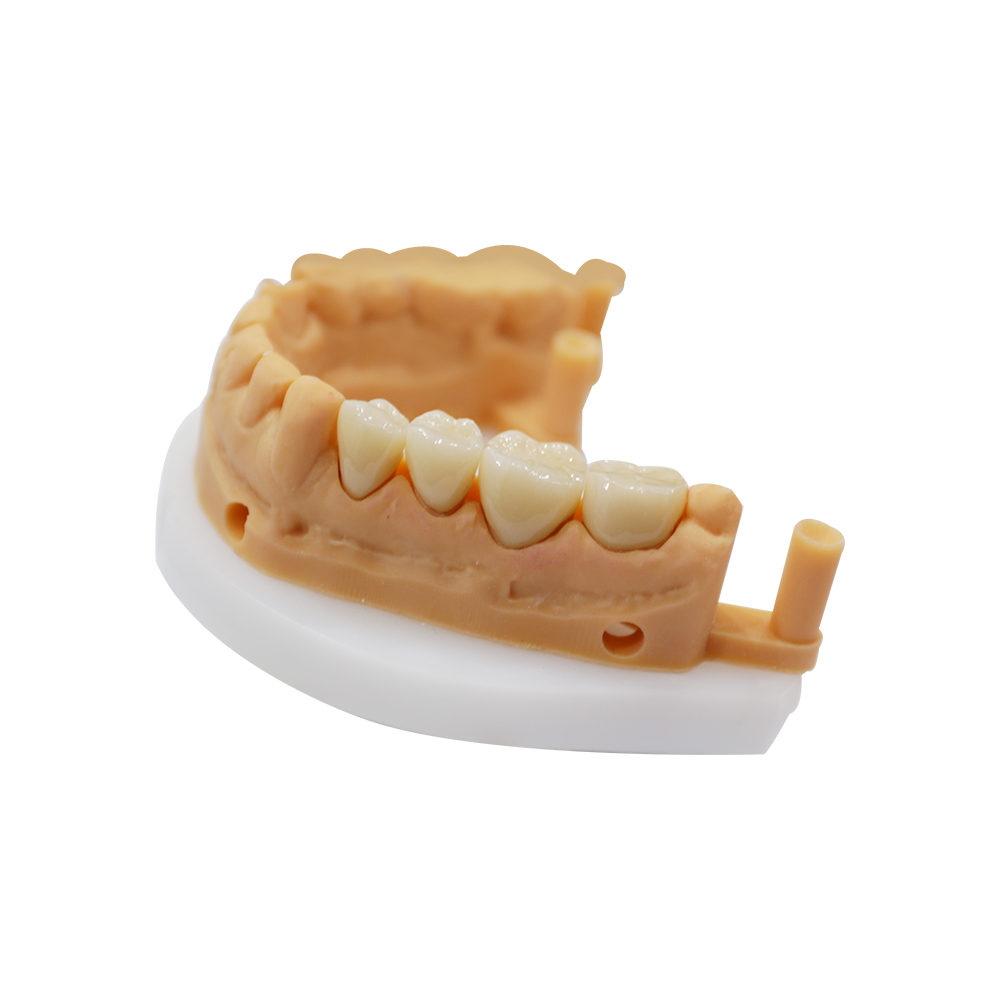
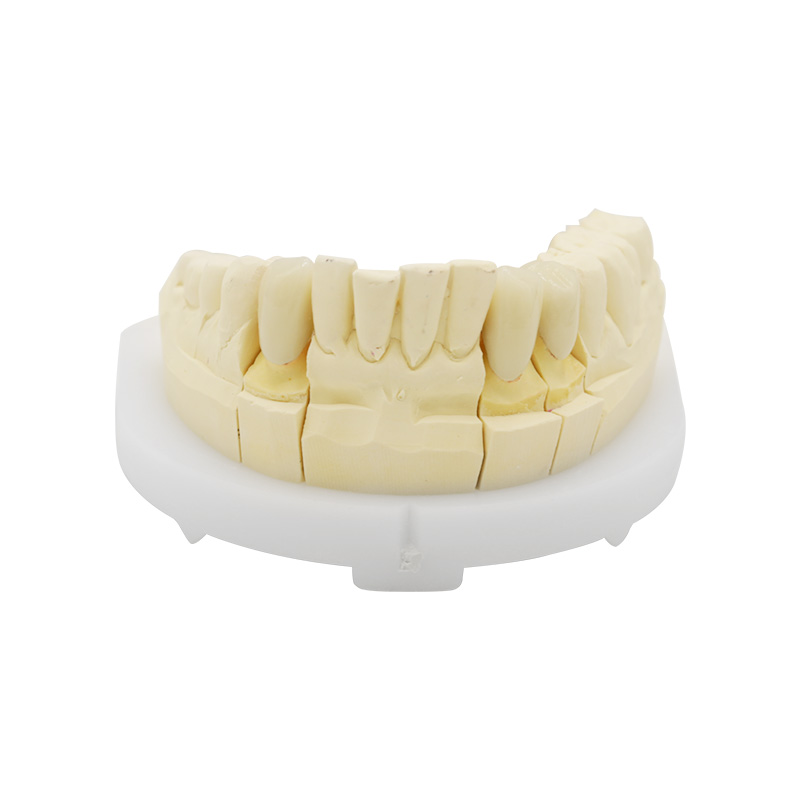
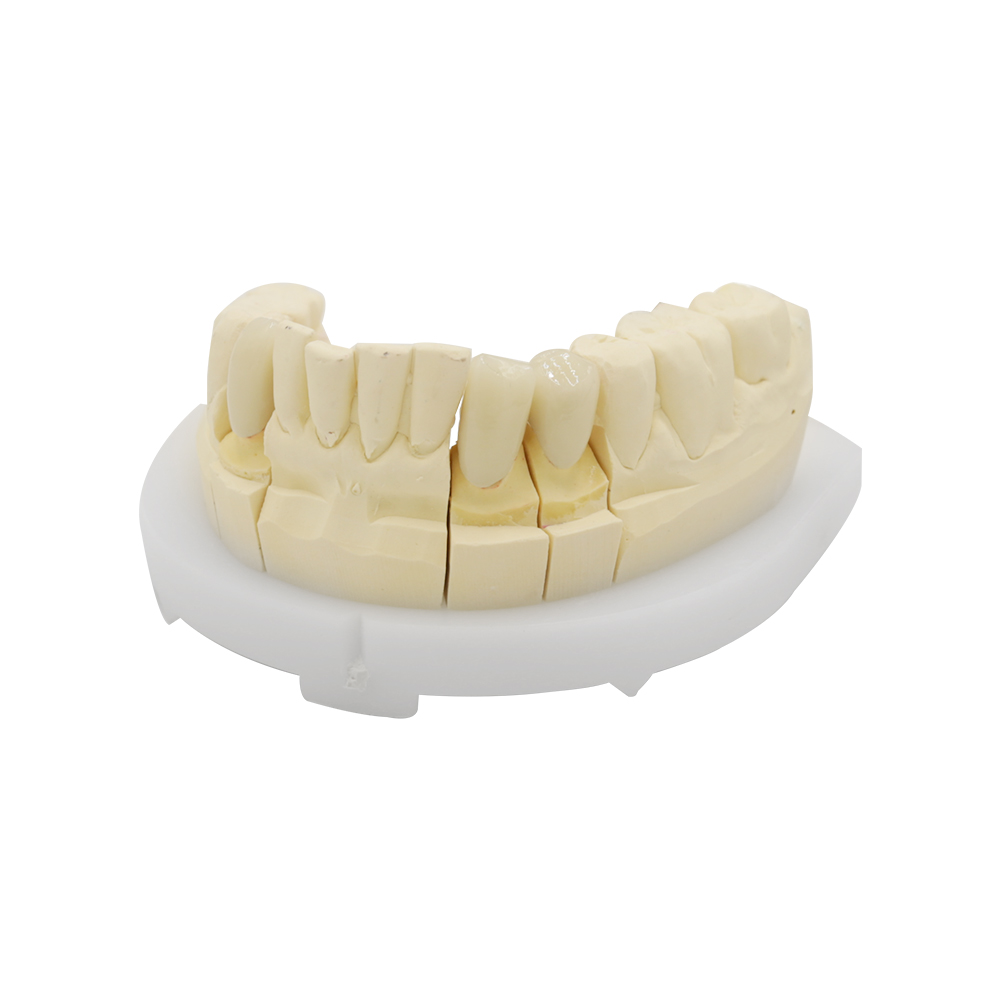
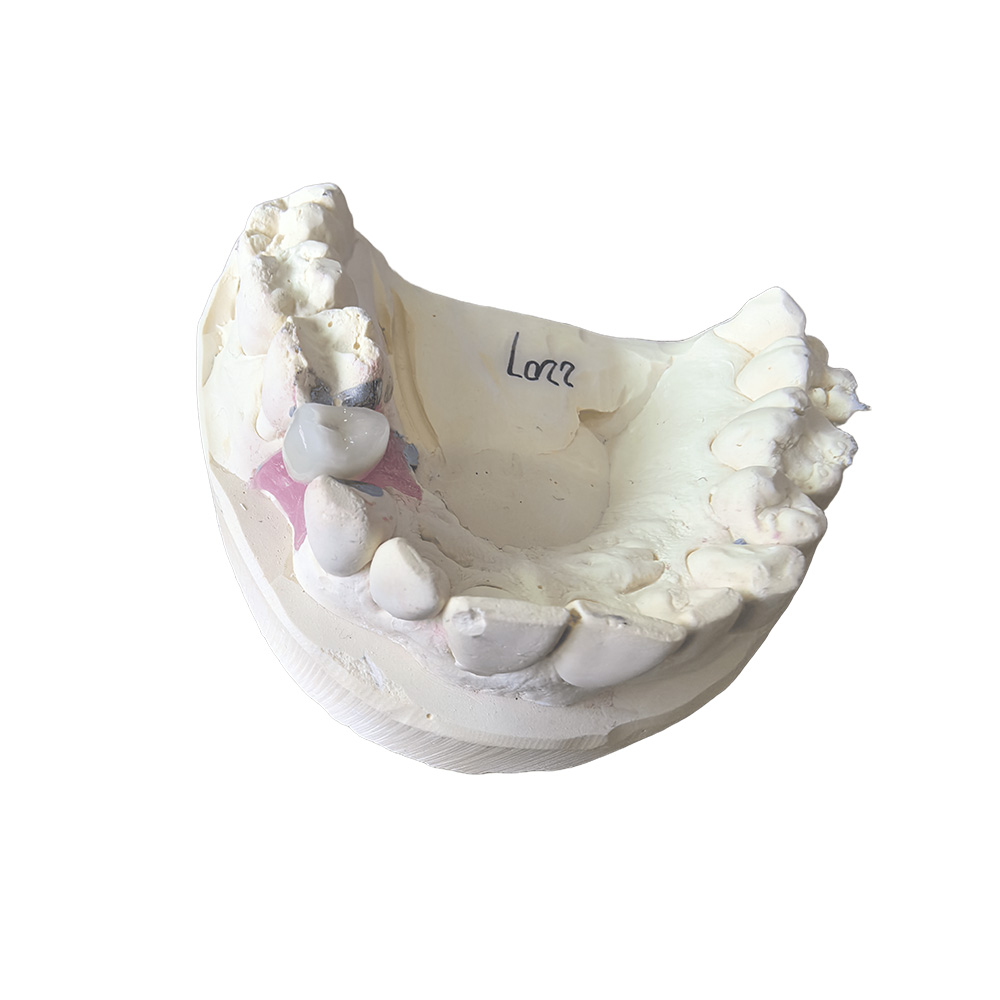
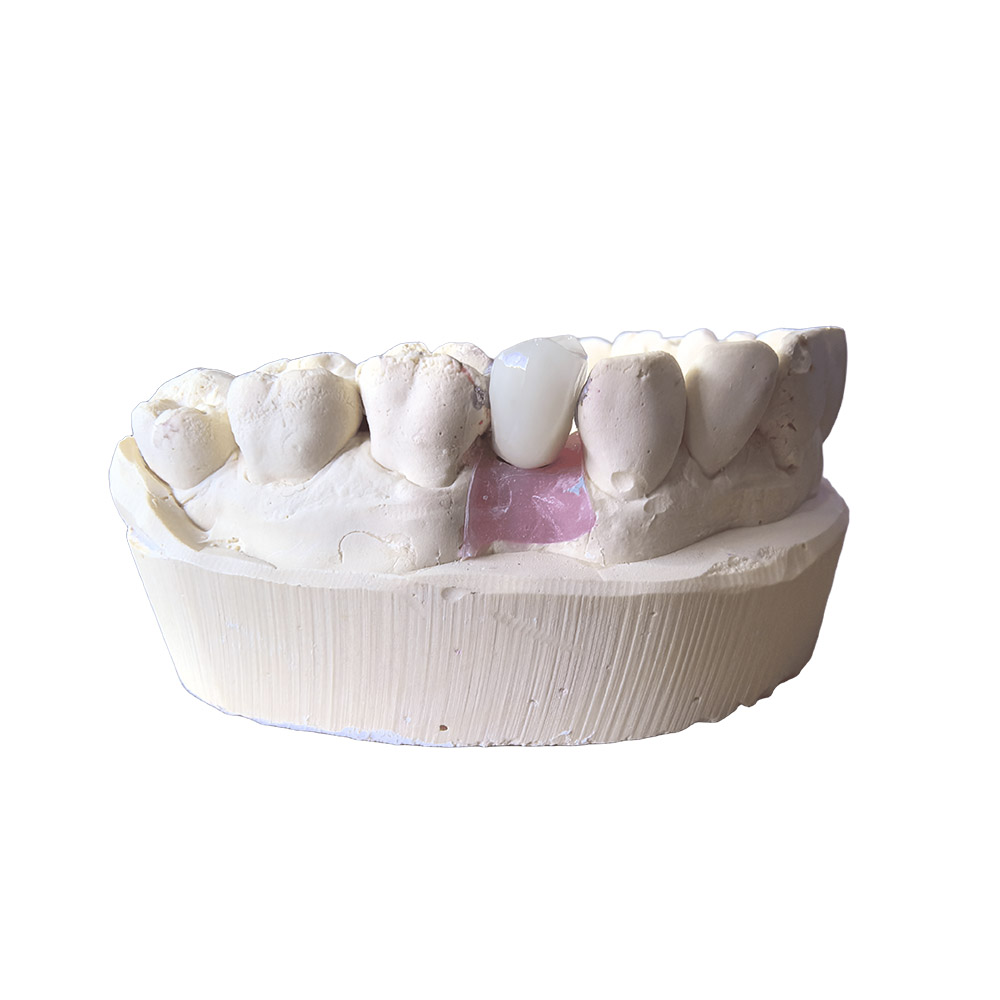
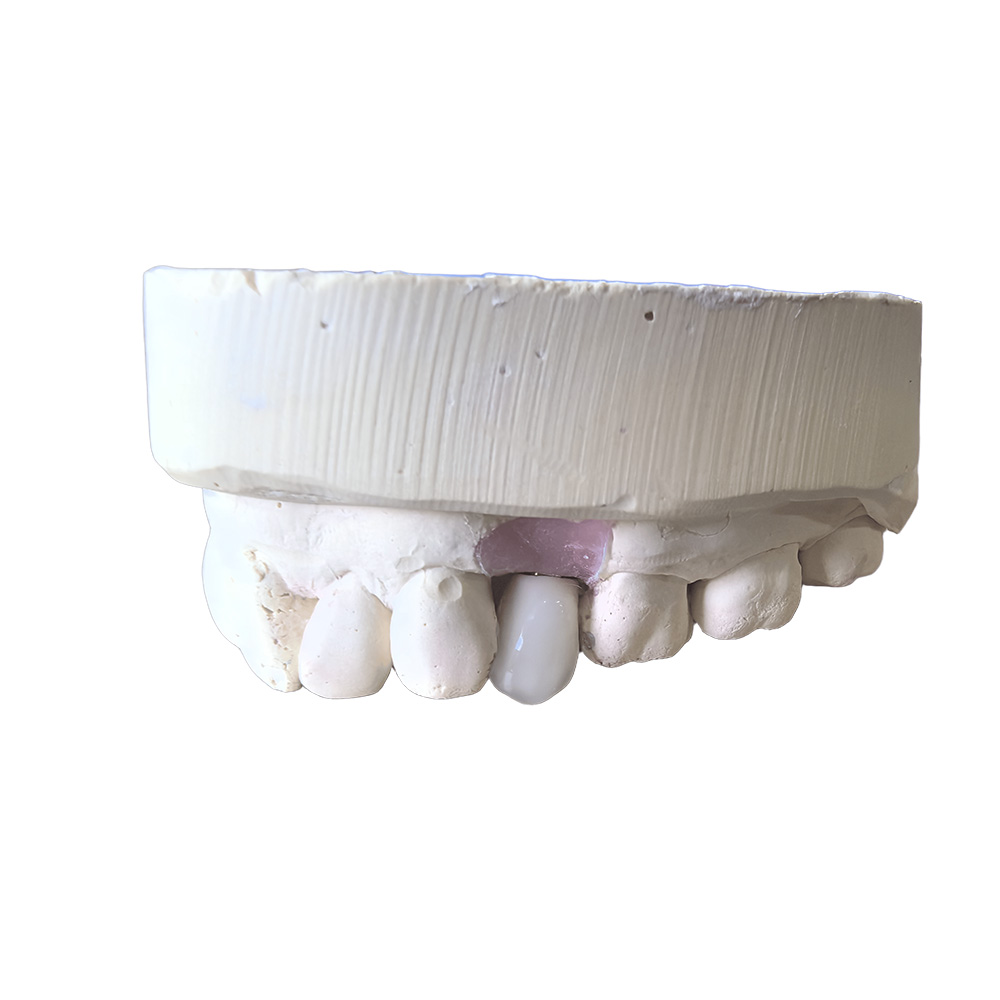
Three-unit posterior bridge, mandibular left; client laboratory, Europe. De-identified; details withheld beyond what is shown here.
The initial request
The previous PFM bridge had fractured through the porcelain twice in two years. The client wanted a restoration that would not repeat the remake cycle, and the preparation showed reduced occlusal clearance on the molar abutment.
What we received
STL scans of both arches, bite registration, RX with shade, and photos of the failed restoration with a shade tab in frame.
Technical communication
Two points needed confirmation: (1) the actual occlusal clearance measured from the scan was tight for layered porcelain, and (2) the antagonist was a natural dentition with heavy wear facets. Both were resolved with the client's technician by email before design started.
Materials & fabrication
Monolithic zirconia on a multilayer disc, milled to final anatomy with a polished antagonist-aware occlusal surface. Design preview sent for approval before milling; contacts slightly adjusted per the client's preference profile ("light on the ceramic antagonist" note from a previous case).
Outcome
Produced within the standard crown-and-bridge workflow and shipped with QC photos on request. The client accepted the case without adjustment and moved subsequent posterior volume to monolithic zirconia.
Related pages
Zirconia Restorations · Monolithic Zirconia · Start Your First Case
Ready to send your first case?
Request the price list or tell us about your first case - a named coordinator replies with the next step, not a sales script.
Get QuoteStart Your First Case