Implant Crowns
Single-unit implant crowns are daily work in our implant department. This page covers the three things that decide whether an implant case runs smoothly - components, scan data and retention choice - and what we verify at intake.
What we offer & who it is for
We produce single-unit and small-span implant crowns for dental practices and for outsourcing laboratories, on all major platforms, with screw-retained and cement-retained designs.
Work from this line
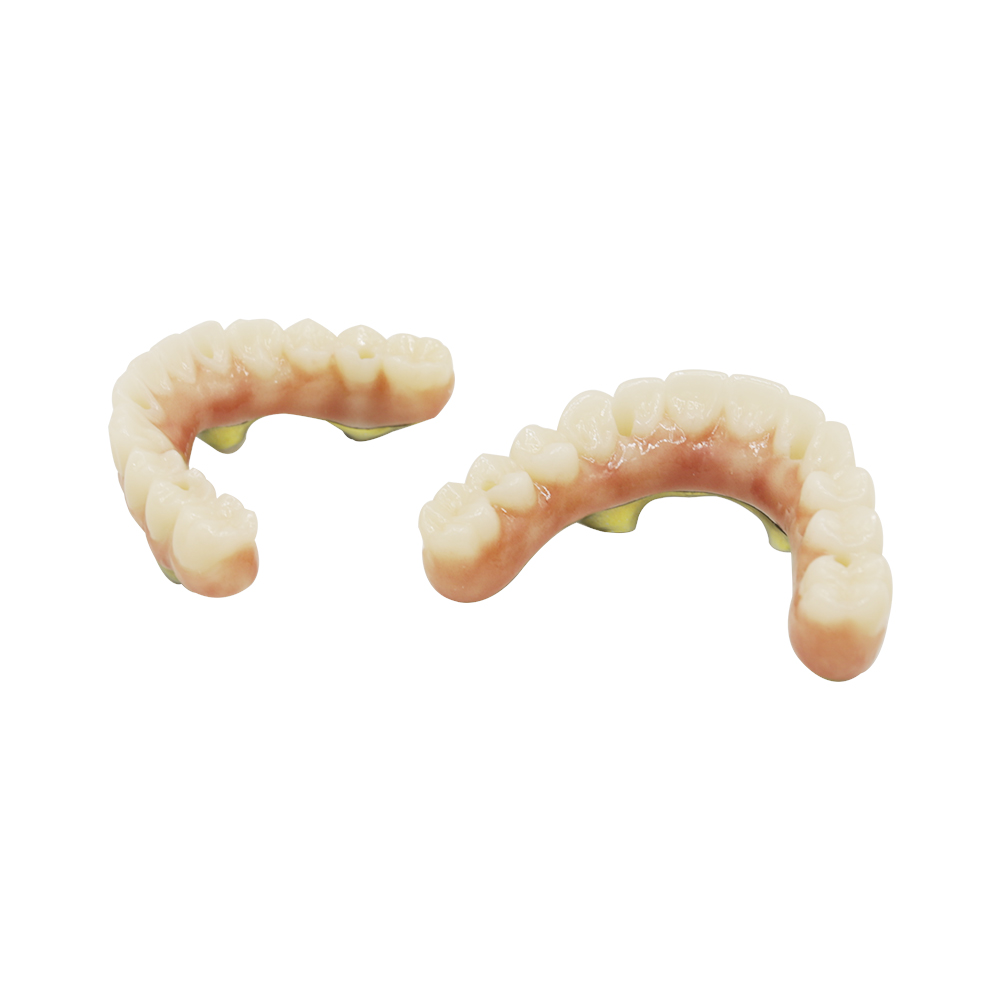
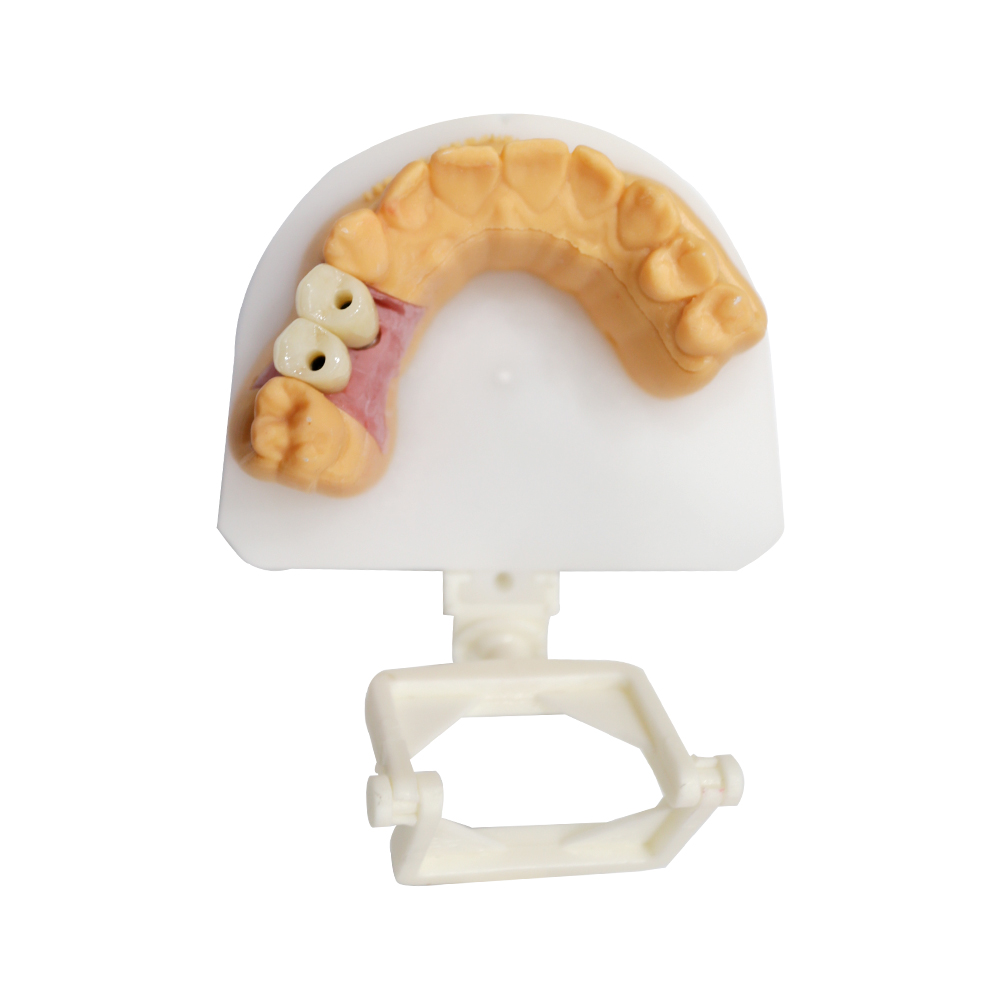
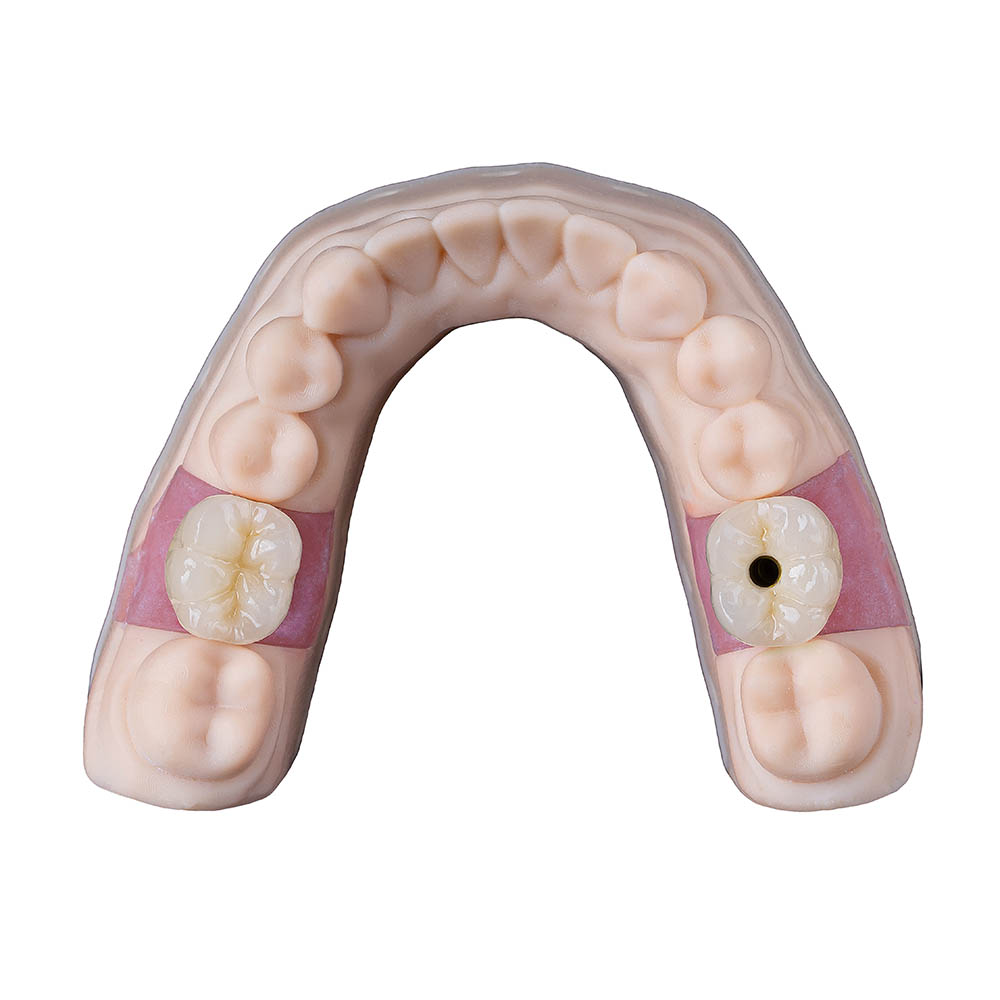
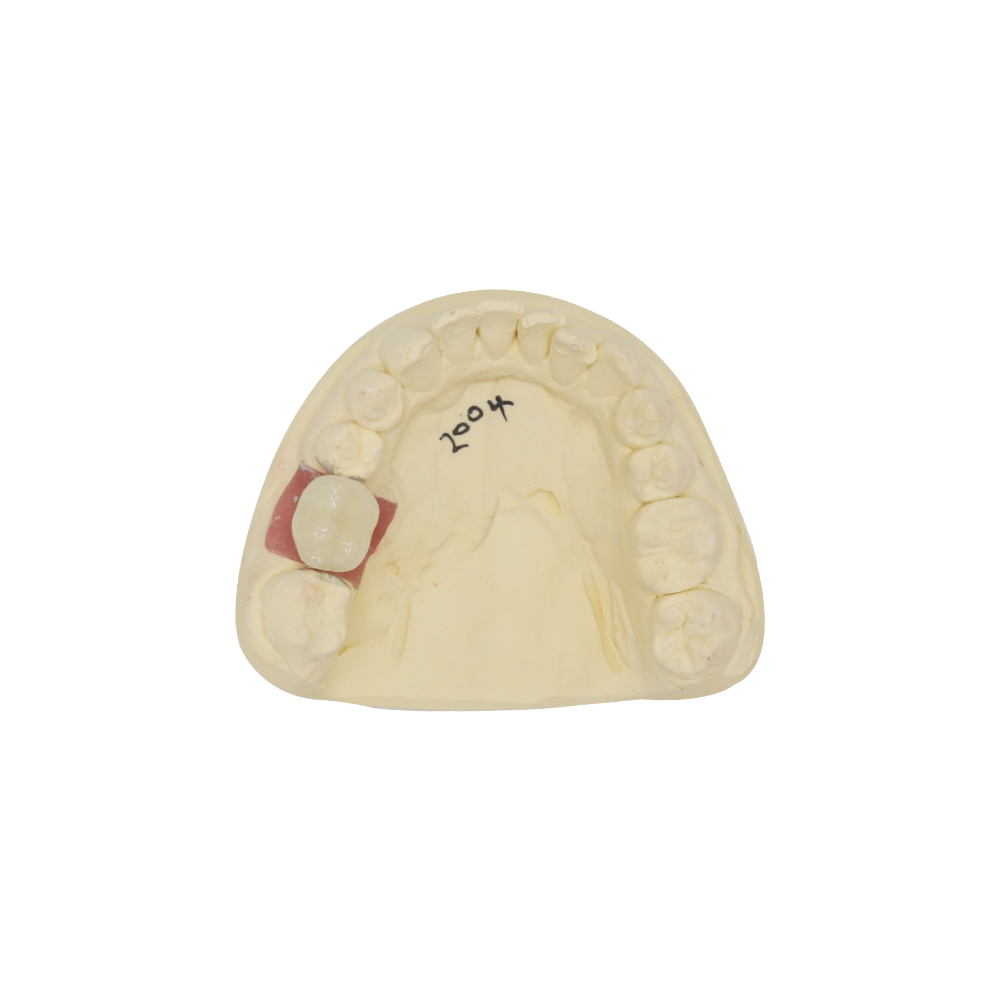
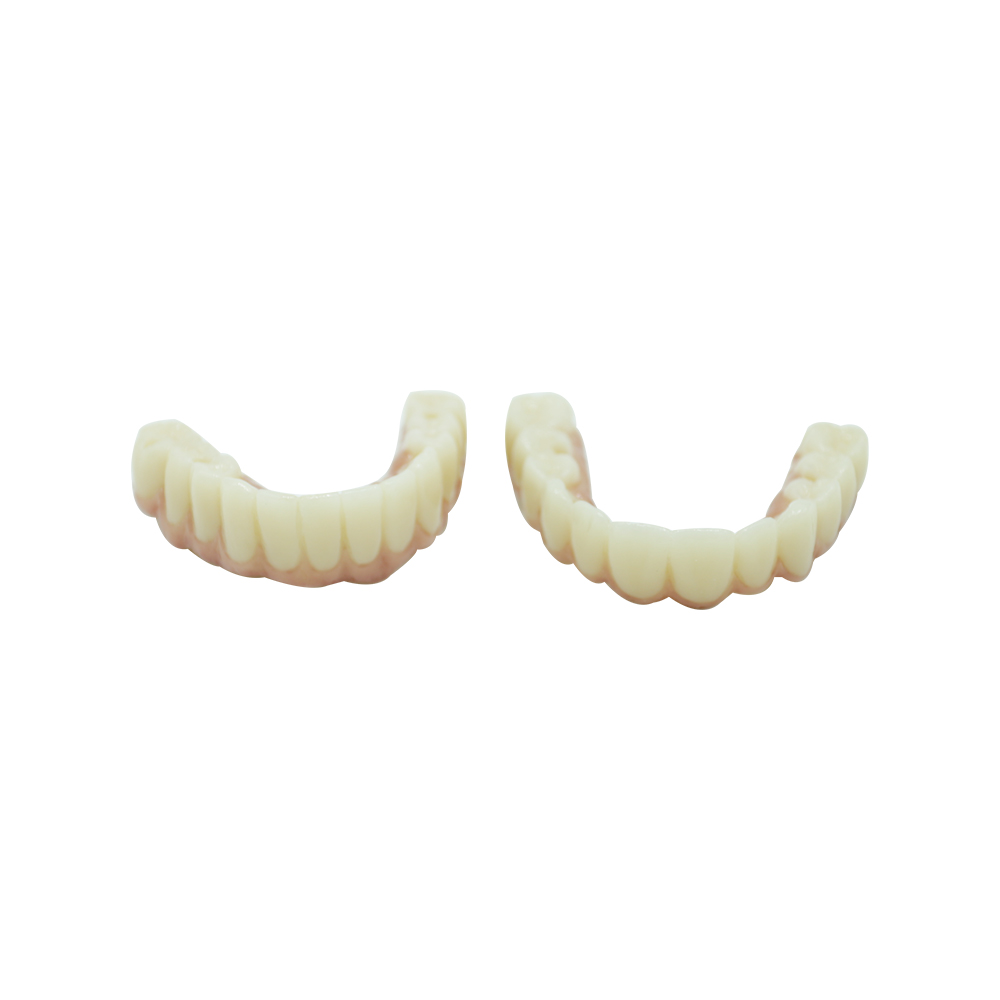
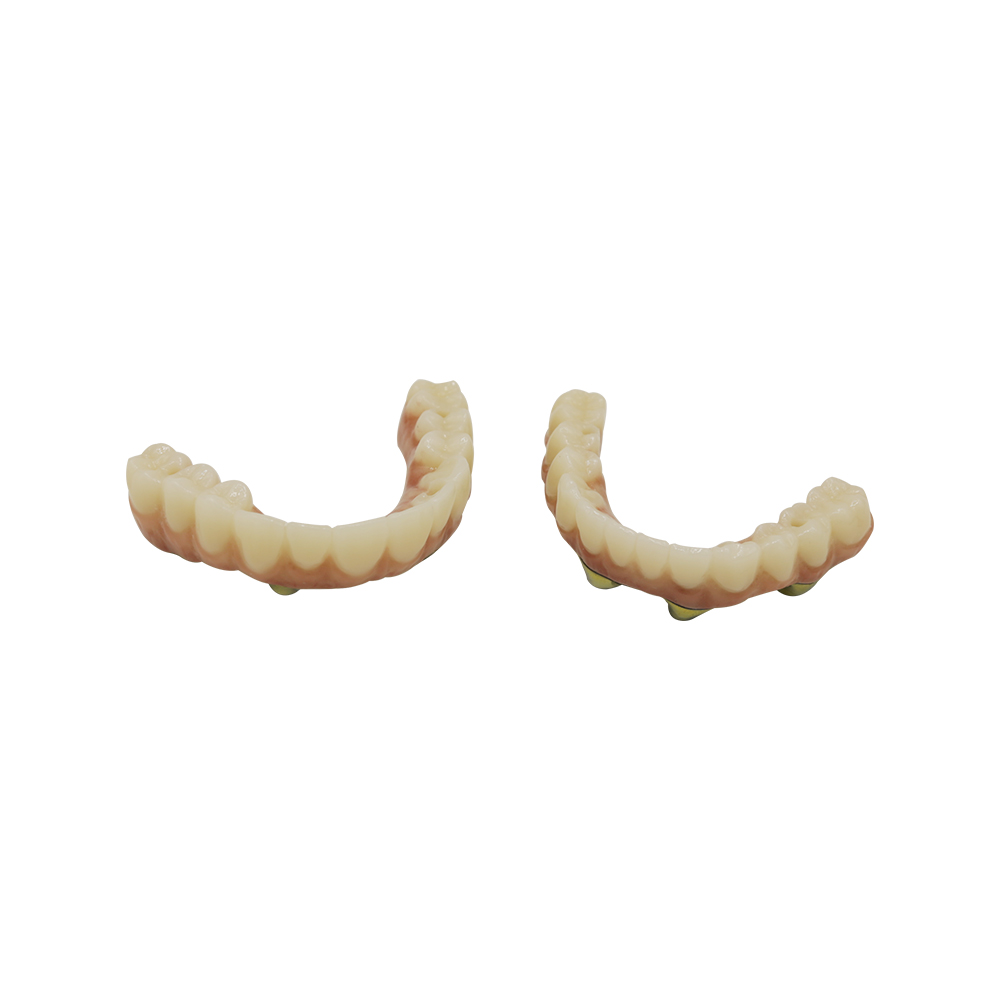
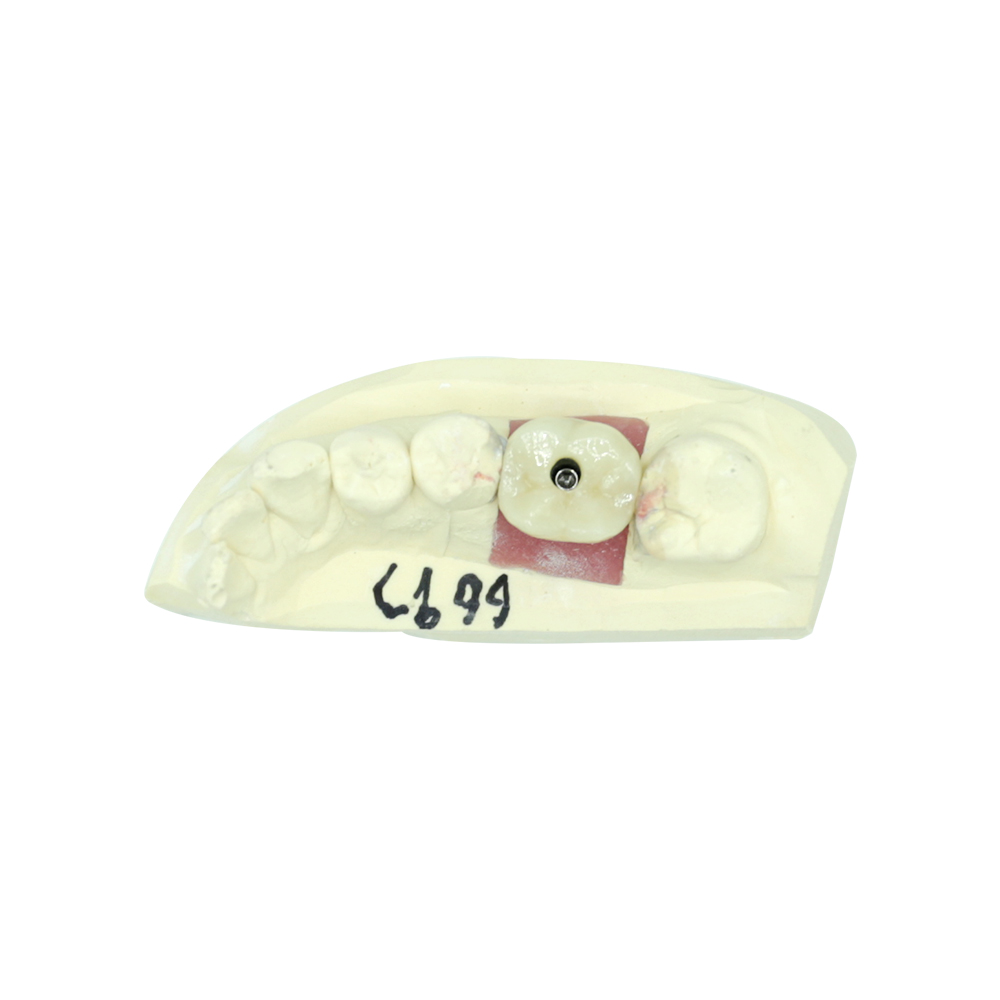
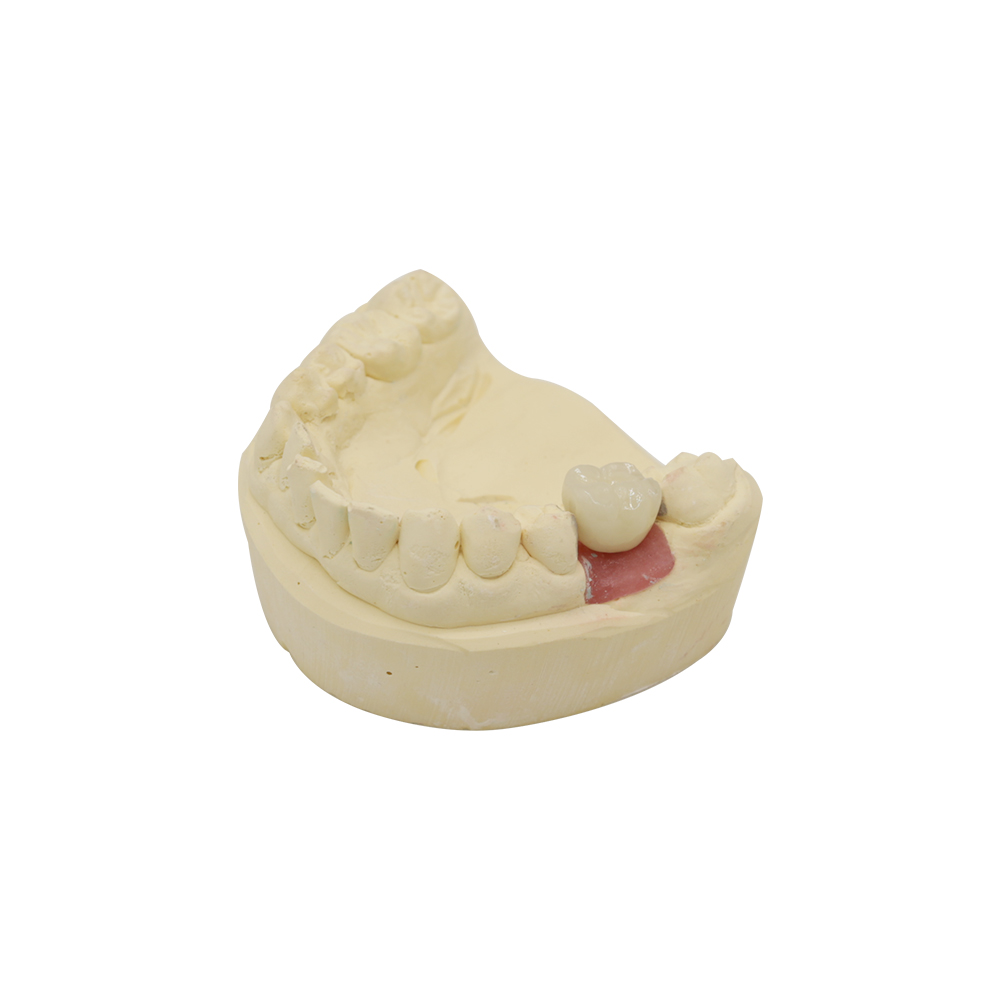
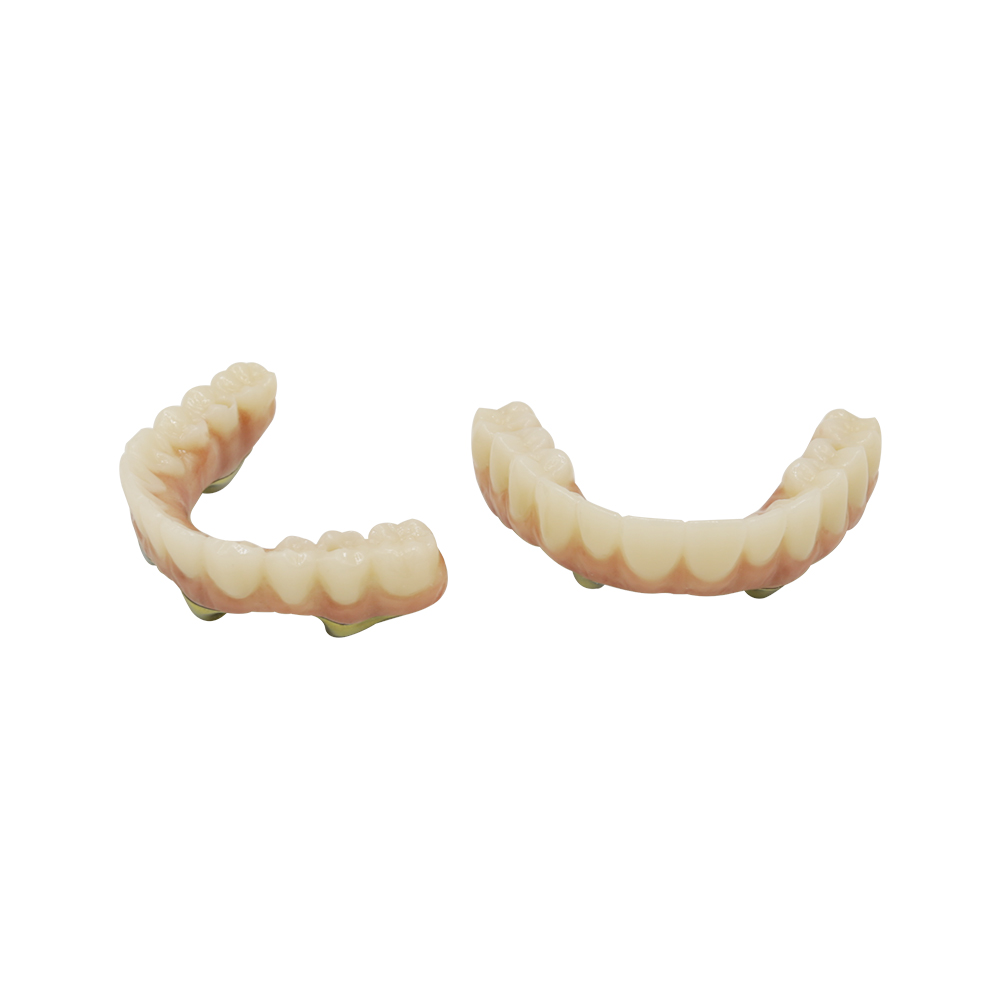
Options
| Retention | Screw-retained (retrievable, no cement excess risk) or cement-retained (no access channel, full anatomy control) - we recommend per case if asked. |
|---|---|
| Components | Original manufacturer parts or validated compatible parts - your documented choice, never substituted without written approval. |
| Materials | Monolithic or layered zirconia, E.max, PFM on custom abutments - matched to the position and occlusion. |
| Abutment interface | Designed against the verified component library for the declared system and platform. |
Specifications & industry guidance
| Parameter | Industry reference | Notes |
|---|---|---|
| Supported platforms | All major systems via verified Ti-base libraries | Unusual systems confirmed by catalogue number |
| Retention options | Screw-retained (multi-unit or Ti-base) · cement-retained | Screw-retention preferred for retrievability |
| Ti-base torque (typical) | Per system specification, commonly 20-35 Ncm | Applied chairside with the system's torque protocol |
| Material options | Zirconia (screwed or cemented), E.max on Ti-base for anteriors | Screw channel position confirmed in design preview |
| Intake verification | Scan body position, library match and platform checked before design | Mismatches caught at intake, not after milling |
Practical guidance for your prescriptions
- Scan with the original scan body - copies can be millimetres off and will misplace the whole design.
- Record the multi-unit abutment level clearly if working on pre-milled abutments.
- For cement-retained work, note the margin depth: >1.5 mm subgingival makes cement removal unreliable - screw-retention is safer.
- Send the opposing arch and bite registration; implant crowns are especially sensitive to occlusal scheme.
Reference figures are widely accepted industry values for the material/system class - case-specific parameters are confirmed at design. Reviewed by the Istar case coordination team.
Indications & limits
An unverified implant interface is never milled: if the scan data does not match the declared scan body, or a component is unusual or discontinued, the case pauses until you confirm - that pause is excluded from turnaround, by policy.
For aesthetic-zone screw channels, characterisation options are discussed at design stage; some access-channel aesthetics have limits we would rather explain before milling.
What to submit with your case
- Implant system, platform (diameter and connection), and torque values if you have a preference
- Scan body brand, model and generation - included in the scan upload
- Retention choice (screw / cement) or a request for recommendation
- Component preference: original or compatible
- Shade, antagonist information and bite registration
How the case is made & checked
The restoration is seated and checked on the verified implant analogue for the declared platform - not a generic one. The component list with lot numbers ships with the case, and screws travel in labelled compartments so nothing is loose on arrival.
Production time & shipping
Implant crowns run on the standard 2-3 lab day workflow once intake verification is complete. Verification happens on the day your files arrive; component questions pause the clock and resume on your confirmation, and the pause is not counted as production time. Shipping is separate.
Real cases
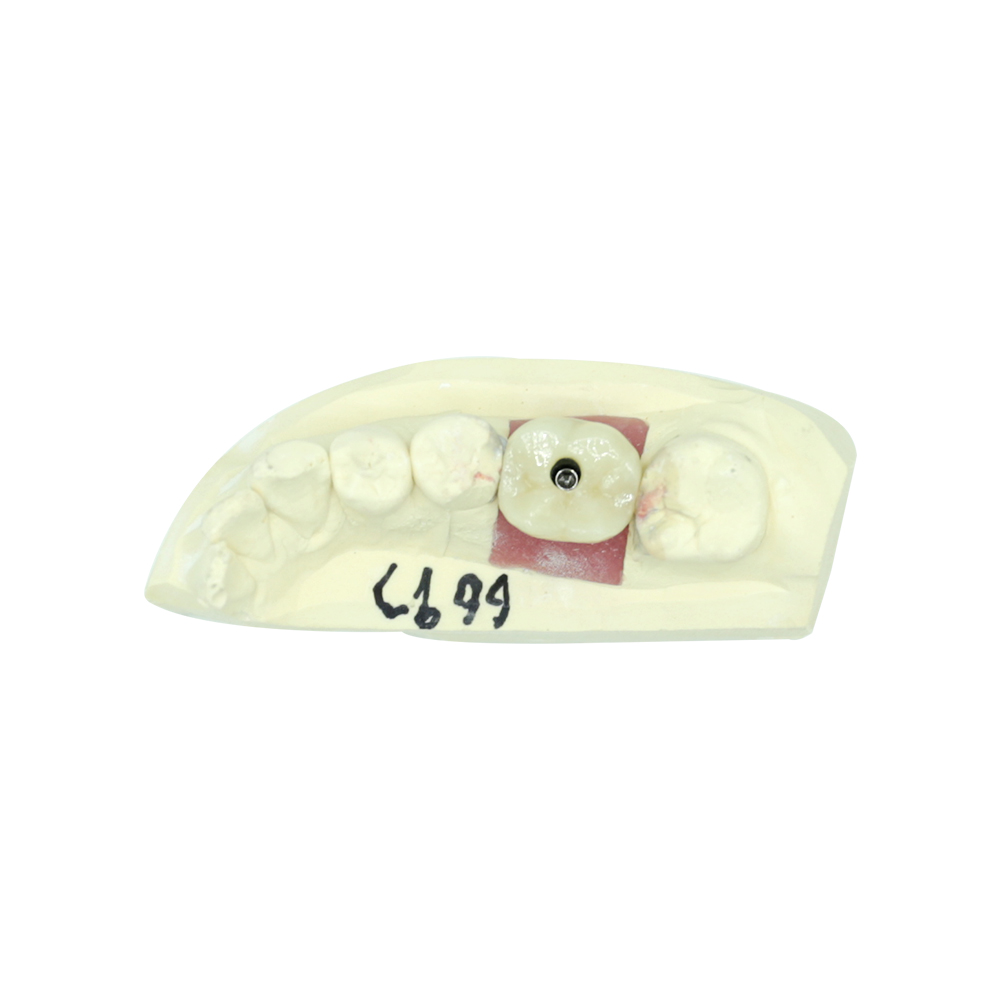
Single molar crown, compatible components, first-case calibration
A new client laboratory started its account with a single posterior implant crown to calibrate contacts and shade. Intake verification matched the scan body to the declared platform; the crown shipped on the standard workflow and was accepted without adjustment - the client's implant volume followed.
Pricing & fees
Priced per the B2B price list: restoration material plus the declared components (original parts cost more than compatible, quoted as such upfront). The confirmed price covers production and the declared components; freight and duties are separate. Rush handling by written confirmation.
If something goes wrong
Laboratory-side remakes are covered free of charge - see the full remake & warranty policy. Every remake starts with a root-cause analysis you are part of.
Frequently asked questions
What information do you need for an implant crown?
Can you match an existing implant crown from years ago?
Which implant systems do you support?
Screw-retained or cement-retained - what do you recommend?
What files do you need with an implant scan?
Do you verify torque values and screw access design?
Ready to send your first case?
Request the price list or tell us about your first case - a named coordinator replies with the next step, not a sales script.
Get QuoteStart Your First CaseRelated pages
Implant overview · Custom Abutments · Send a Digital Case · Remakes & Warranty